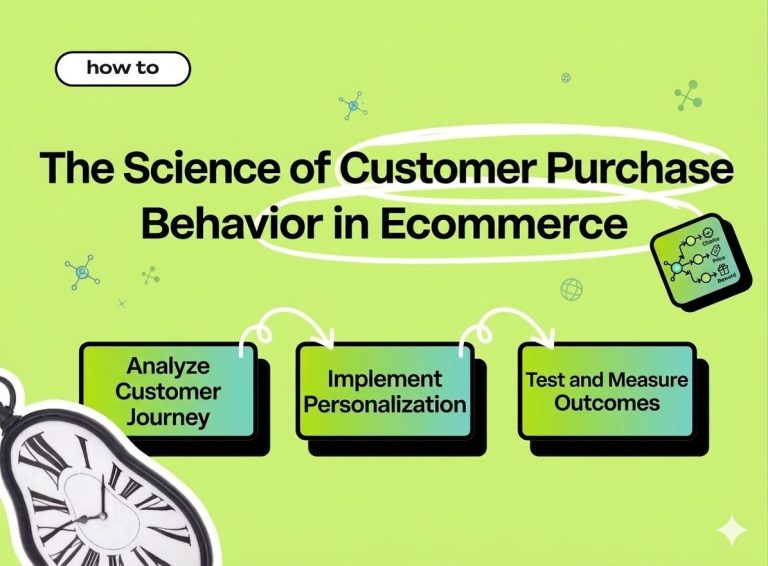
Customer purchase behavior in ecommerce is driven by perception, comparison, and decision simplicity—not just product quality or price. Shopify stores that structure offers clearly—through bundles, quantity breaks, and pricing design—can influence how customers decide, increasing both conversion and average order value without adding new products.
Understanding how customers think is often more valuable than adding more traffic.
Why Customers Don’t Buy the Way You Think
Many merchants assume customers make rational decisions: compare price, evaluate features, and choose the best option.
In reality, most purchase decisions are influenced by:
- perceived value
- ease of decision
- contextual comparisons
Customers are not optimizing perfectly. They are trying to make a confident, low-effort decision.
This is why stores that simplify decisions outperform stores that simply offer more options.
The Three Forces Behind Purchase Decisions
Most ecommerce buying behavior can be explained by three forces:
- Perceived Value – Does this feel worth it?
- Decision Effort – How hard is it to decide?
- Risk – What happens if I choose wrong?
When these are aligned, purchases happen quickly. When they are not, customers hesitate or leave.
Why Comparison Drives Decisions
Customers rarely evaluate products in isolation. They compare.
Even on a single product page, they compare:
- different quantities
- different price points
- different perceived value levels
This is why structured pricing—such as bundles and tiered quantity options—works so well. It creates a controlled comparison environment.
Tools like Adoric Bundles Quantity Breaks help structure these comparisons directly on the product page, guiding customers toward higher-value decisions without adding friction.
The Role of Pricing Psychology
Pricing is not just about cost—it’s about interpretation.
Customers respond to:
- anchors (reference prices)
- value tiers
- “best deal” signals
For example:
- Buy 1 → standard price
- Buy 2 → better value
- Buy 3 → best value
Most customers don’t calculate the exact savings. They follow the structure and choose what feels like the smartest option.
For a deeper look at pricing behavior, see
The Psychology of Pricing in Ecommerce
Why Simplicity Increases Conversion
One of the biggest drivers of purchase behavior is decision simplicity.
Too many choices create friction. Too few choices reduce perceived value.
The goal is not to eliminate options, but to structure them clearly.
Effective product pages:
- limit options to meaningful choices
- highlight the best-value option
- remove unnecessary decisions
This is why “good, better, best” pricing models consistently outperform unstructured offers.
How Bundles Change the Buying Decision
Bundles influence behavior by shifting the question.
Instead of asking:
“Do I want this product?”
Customers ask:
“Is this bundle worth it?”
This subtle shift reduces price sensitivity and increases perceived value.
Bundles work especially well when they:
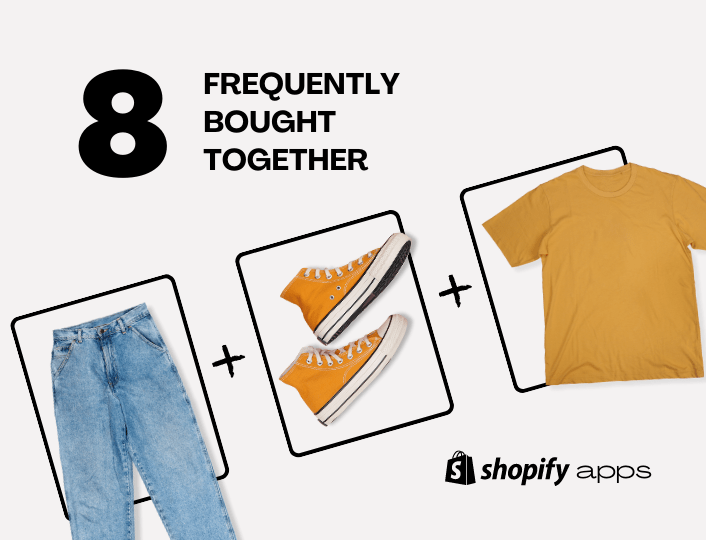
- group complementary items
- reflect natural purchase behavior
- reduce the need for additional decisions
For a deeper breakdown, see
How to Design Bundle Offers Customers Actually Want
Why Quantity Breaks Increase Order Size
Quantity breaks work because they build on an existing decision.
Once a customer decides to buy, the easiest next step is to increase the quantity—not to introduce a completely new product.
This reduces friction and increases order value.
This is particularly effective in:
- consumables
- apparel basics
- skincare
- B2B-lite ecommerce
Instead of convincing customers to buy something new, you are encouraging them to buy more of what they already want.
The Hidden Enemy: Decision Friction
Many stores lose sales not because of pricing or product quality, but because of friction.
Common sources of friction include:
- unclear pricing
- too many options
- lack of guidance
- hidden value
When customers feel uncertain, they delay or abandon the purchase.
Reducing friction often has a bigger impact than increasing traffic.
Real Shopify Examples
Apparel Store
Adding structured quantity options for basics increased AOV because customers could clearly see the value of buying more.
Supplements Brand
Reframing products as 30-day vs 90-day supply simplified decision-making and increased order size.
B2B-Lite Store
Tiered pricing aligned with buyer expectations, reducing negotiation friction and increasing order value.
Common Mistakes Merchants Make
- assuming customers behave rationally
- offering too many unstructured choices
- relying heavily on discounts
- ignoring how pricing is presented
- optimizing for clicks instead of decisions
Most conversion problems are actually decision design problems.
How to Influence Purchase Behavior Effectively
To improve purchase behavior, focus on:
- structuring pricing clearly
- highlighting the best-value option
- reducing unnecessary choices
- aligning offers with natural buying behavior
- guiding customers instead of leaving them to decide alone
These changes influence how customers think, not just what they see.
Frequently Asked Questions
What influences customer purchase behavior in ecommerce?
Perceived value, decision simplicity, and risk are the primary factors.
Why do customers buy more than one product?
Because structured pricing and bundles make larger purchases feel like better value.
How do bundles affect buying decisions?
They shift focus from price to overall value, reducing price sensitivity.
What causes customers to hesitate before purchasing?
Unclear value, too many choices, and high perceived risk.
How can Shopify stores influence purchase behavior?
By structuring pricing, simplifying decisions, and guiding customers toward higher-value options.
Final Thoughts
Customers don’t just buy products—they respond to how choices are presented.
Stores that understand purchase behavior don’t rely on persuasion. They design decisions in a way that feels natural, clear, and valuable.
Instead of asking “Why aren’t customers buying?”, a more useful question is:
“Are we making the right decision obvious?”
That’s where better conversion and higher AOV begin.